

Chinese Conversation · Level 79
91 words
Search Chinese words by characters, pinyin or English meaning.
Dictionaries
Quick links
Browse
 MotiSpiOfficial conversation app

Chinese word
Pinyinchū yán bù xùn
他在会议上出言不逊,得罪了大家。tā zài huì yì shàng chū yán bú xùn dé zuì le dà jiā
He spoke rudely at the meeting and offended everyone.
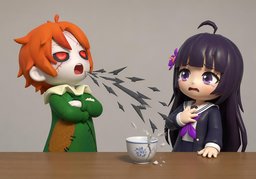
他在聚会上喝多了,竟然出言不逊,大家很尴尬。tā zài jù huì shàng hē duō le jìng rán chū yán bú xùn dà jiā hěn gān gà
He drank too much at the party and actually spoke rudely, making everyone uncomfortable.
Words that come out with too little respect, making the speaker sound openly insulting or overbearing.
在公共场合出言不逊zài gōng gòng chǎng hé chū yán bú xùn
speak rudely in public
对同事出言不逊duì tóng shì chū yán bú xùn
speak rudely to coworkers
对陌生人出言不逊duì mò shēng rén chū yán bú xùn
speak rudely to strangers
口不择言kǒu bù zé yán: Speaking without thinking and blurting out words that come across as rude.
口无遮拦kǒu wú zhē lán: Speaking freely without restraint or tact, so the words sound impolite.
出口伤人chū kǒu shāng rén: Using harsh words that hurt another person's feelings.
说话用词或态度对他人不尊重,有冒犯或傲慢的意味。shuō huà yòng cí huò tài dù duì tā rén bù zūn zhòng yǒu mào fàn huò ào màn de yì wèi
出言不逊 (chūyánbùxùn, "discourteous speech") joins 出言 (chūyán, "to utter words") with 不逊 (bùxùn, "not deferential"), framing disrespect as something revealed in spoken words.