

HSK · Level 21
135 words
Search Chinese words by characters, pinyin or English meaning.
Dictionaries
Quick links
Browse
 MotiSpiOfficial conversation app

Chinese word
Pinyinchū rù
请登记后再出入。qǐng dēng jì hòu zài chū rù
Please register before entering and leaving.
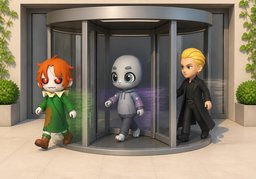
演唱会门票持有人可凭票出入会场。yǎn chàng huì mén piào chí yǒu rén kě píng piào chū rù huì chǎng
Concert ticket holders may enter and leave the venue with their tickets.
Movement that repeatedly crosses a boundary in both directions, like traffic passing through an entrance.
不得出入bù dé chū rù
not permitted to enter and leave
凭票出入píng piào chū rù
enter and leave using a ticket
未经允许不得出入wèi jīng yún xǔ bù dé chū rù
must not enter and leave without permission
进出jìn chū: Go in and out of a place as part of regular movement between its inside and outside.
进入jìn rù: Enter a place or area from outside by moving across its boundary.
出去chū qù: Go out from inside a place and move to the outside.
进去jìn qù: Go into a place, moving from outside toward its interior.
指人或物在某处反复进出,强调往来或流动的状态。zhǐ rén huò wù zài mǒu chù fǎn fù jìn chū qiáng diào wǎng lái huò liú dòng de zhuàng tài
The word joins 出 (chū, "go out") and 入 (rù, "go in"), so its form presents the two-way movement it describes.