

HSK · Level 78
45 words
Search Chinese words by characters, pinyin or English meaning.
Dictionaries
Quick links
Browse
 MotiSpiOfficial conversation app

Chinese word
Pinyinníng gù
牛奶在冷天里会凝固。niú nǎi zài lěng tiān lǐ huì níng gù
Milk solidifies in cold weather.
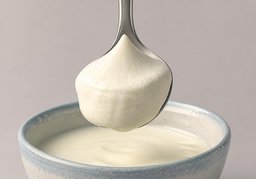
鸡蛋遇热会凝固,变成熟的蛋白。jī dàn yù rè huì níng gù biàn chéng shú de dàn bái
When an egg is heated, it solidifies and becomes cooked egg white.
A liquid or soft substance loses its free flow and becomes a stable mass.
蛋白质凝固dàn bái zhì níng gù
protein solidifies
使其凝固shǐ qí níng gù
make it solidify
冷却后凝固lěng què hòu níng gù
solidify after cooling
结晶jié jīng: Change into solid crystals arranged in a regular pattern after being dissolved or melted.
凝结níng jié: Change from a gas into liquid drops or another liquid when cooled.
固化gù huà: Harden into a stable form that is difficult to change, whether starting as a liquid or soft material.
液体或半流体由可流动状态变为不再流动并保持形状的过程或状态。yè tǐ huò bàn liú tǐ yóu kě liú dòng zhuàng tài biàn wéi bú zài liú dòng bìng bǎo chí xíng zhuàng de guò chéng huò zhuàng tài
凝 (níng, "congeal") + 固 (gù, "firm") links material gathering together with the firm state that results.