

Chinese Conversation · Level 4
88 words
Search Chinese words by characters, pinyin or English meaning.
Dictionaries
Quick links
Browse
 MotiSpiOfficial conversation app

Chinese word
Pinyinliáng cài
今晚宴会上有很多凉菜。jīn wǎn yàn huì shàng yǒu hěn duō liáng cài
There are many cold dishes at tonight's banquet.
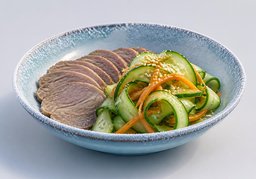
夏天我常吃凉菜,觉得很清爽。xià tiān wǒ cháng chī liáng cài jué de hěn qīng shuǎng
In summer, I often eat cold dishes and find them refreshing.
A savory dish served cool or cold, often placed on the table before the hot courses and shared as a starter or side.
吃凉菜chī liáng cài
eat cold dishes
喜欢凉菜xǐ huān liáng cài
like cold dishes
凉菜拼盘liáng cài pīn pán
cold dish platter
冷菜lěng cài: A category of appetizers and small snacks served cold.
冷盘lěng pán: An assortment of cold dishes or snacks served together on one platter.
凉拌菜liáng bàn cài: A chilled dish of vegetables or other ingredients mixed together before serving.
指以冷食或冷盘形式出现的菜品,包括凉拌蔬菜、冷切肉片等,常作为开胃的前菜或配菜。zhǐ yǐ lěng shí huò lěng pán xíng shì chū xiàn de cài pǐn bāo kuò liáng bàn shū cài lěng qiē ròu piàn děng cháng zuò wéi kāi wèi de qián cài huò pèi cài
凉菜 (liángcài, "cold dish") combines 凉 (liáng, "cool or cold") with 菜 (cài, "dish or prepared food"), forming a name for dishes served without heat.