

Chinese Conversation · Level 21
90 words
Search Chinese words by characters, pinyin or English meaning.
Dictionaries
Quick links
Browse
 MotiSpiOfficial conversation app

Chinese word
Pinyingōng gōng
今天我请公公吃饭。jīn tiān wǒ qǐng gōng gōng chī fàn
Today I invited my father-in-law to dinner.
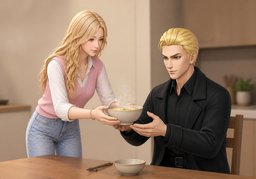
昨天我给公公打了电话。zuó tiān wǒ gěi gōng gōng dǎ le diàn huà
Yesterday I called my father-in-law.
A household title that places an older man in a respected senior role, especially the husband's father, with a historical courtly use for a eunuch.
给公公打电话gěi gōng gōng dǎ diàn huà
phone one's father-in-law
看望公公kàn wàng gōng gōng
visit one's father-in-law
帮公公做饭bāng gōng gōng zuò fàn
help cook for one's father-in-law
岳父yuè fù: A polite, formal term for the father of one's wife.
父亲fù qīn: The common noun for one's father.
老丈人lǎo zhàng rén: A relaxed spoken term for the father of one's wife.
儿媳对夫家父辈的口语称呼,既带亲昵又含礼貌意味;文学或史料中有时用以称呼宫中宦官,但日常语境以称呼夫家的长辈为主。ér xí duì fū jiā fù bèi de kóu yǔ chēng hū jì dài qīn nì yòu hán lǐ mào yì wèi wén xué huò shǐ liào zhōng yǒu shí yòng yǐ chēng hū gōng zhōng huàn guān dàn rì cháng yǔ jìng yǐ chēng hū fū jiā de zhǎng bèi wéi zhǔ
公 (gōng, "an honorific for a male elder") + 公 (gōng, "an honorific for a male elder") forms a respectful family address, while older palace and historical texts also use the word for a eunuch.