

Chinese Conversation · Level 80
91 words
Search Chinese words by characters, pinyin or English meaning.
Dictionaries
Quick links
Browse
 MotiSpiOfficial conversation app

Chinese word
Pinyinrù mù sān fēn
他的批评总是入木三分,直接指出问题。tā de pī píng zǒng shì rù mù sān fēn zhí jiē zhǐ chū wèn tí
His criticism is always incisive and directly points out the problem.
作者在短文中用几个细节把人物的性格刻画得入木三分。zuò zhě zài duǎn wén zhōng yòng jǐ gè xì jié bǎ rén wù de xìng gé kè huà de rù mù sān fēn
In a short article, the author uses several details to portray the character's personality incisively.
A comment or work reaches beneath surface details and lands exactly on the central point of a matter.
一针见血yì zhēn jiàn xiě: Expresses the essential point of a problem in short, sharp, and direct words.
切中要害qiè zhòng yào hài: Pinpoints the vital point of a matter accurately in a judgment or analysis.
一语道破yì yǔ dào pò: Uncovers the central truth of a matter with one concise statement.
比喻言辞或作品对事物本质把握深刻,评述直指要害,具有强烈的洞察力和说服力。bǐ yù yán cí huò zuò pǐn duì shì wù běn zhì bǎ wò shēn kè píng shù zhí zhǐ yào hài jù yǒu qiáng liè de dòng chá lì hé shuō fú lì
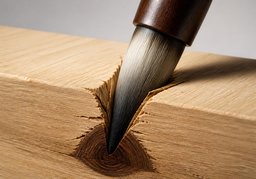
入木三分 (rùmùsānfēn, "three fen into wood") recalls a story that Wang Xizhi's forceful calligraphy seemed to drive ink deep into wood, then extended to language that reaches a matter's core.