

Chinese Conversation · Level 55
90 words
Search Chinese words by characters, pinyin or English meaning.
Dictionaries
Quick links
Browse
 MotiSpiOfficial conversation app

Chinese word
Pinyintíng kào
公交车马上在下一站停靠。gōng jiāo chē mǎ shàng zài xià yí zhàn tíng kào
The bus will stop at the next stop soon.
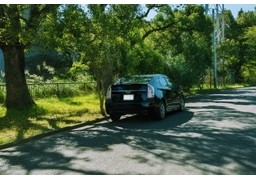
货轮在码头停靠,开始装卸。huò lún zài mǎ tóu tíng kào kāi shǐ zhuāng xiè
The cargo ship moors at the pier and begins loading and unloading.
A vehicle or vessel moves alongside a planned place and comes to rest there.
公交车在下一站停靠gōng jiāo chē zài xià yí zhàn tíng kào
the bus stops at the next stop
轮船在码头停靠lún chuán zài mǎ tóu tíng kào
the vessel moors at the pier
火车在站台停靠huǒ chē zài zhàn tái tíng kào
the train stops at the platform
停车tíng chē: A vehicle stops moving and remains in place briefly or for parking.
停下tíng xià: A person, vehicle, or object stops moving or stops an ongoing action at its current place.
指交通工具接近指定地点并停止,通常用于公交车在站点停靠或船只在码头靠岸。zhǐ jiāo tōng gōng jù jiē jìn zhǐ dìng dì diǎn bìng tíng zhǐ tōng cháng yòng yú gōng jiāo chē zài zhàn diǎn tíng kào huò chuán zhī zài mǎ tóu kào àn
停 (tíng, "stop") + 靠 (kào, "draw close") combines stopping with moving alongside a station, shore, or dock.