

Chinese Conversation · Level 75
90 words
Search Chinese words by characters, pinyin or English meaning.
Dictionaries
Quick links
Browse
 MotiSpiOfficial conversation app

Chinese word
Pinyinzhí zi
昨天侄子在公园里和我一起玩。zuó tiān zhí zi zài gōng yuán lǐ hé wǒ yì qǐ wán
Yesterday, my nephew played with me in the park.
周末我带侄子去看电影。zhōu mò wǒ dài zhí zi qù kàn diàn yǐng
On the weekend, I took my nephew to see a movie.
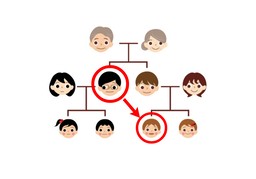
The son of a person's brother, viewed as the next generation of the sibling line.
我的侄子wǒ de zhí zi
my nephew
跟侄子一起玩gēn zhí zi yì qǐ wán
play with one's nephew
带侄子回家dài zhí zi huí jiā
take one's nephew home
外甥wài shēng: A sister's son in the next generation of the family.
侄女zhí nǚ: A brother's daughter in the next generation of the family.
(自己)兄或弟所生的男性子女,即兄弟一方的儿子。zì jǐ xiōng huò dì suǒ shēng de nán xìng zí nǚ jí xiōng dì yì fāng de ér zi
The compound 侄子 (zhízi, "nephew") uses 侄 (zhí, "nephew") + 子 (zi, "child or son"), linking the kinship term directly to the idea of a male child.