

HSK · Level 14
135 words
Search Chinese words by characters, pinyin or English meaning.
Dictionaries
Quick links
Browse
 MotiSpiOfficial conversation app

Chinese word
Pinyinshēn
他把手伸向窗外。tā bá shǒu shēn xiàng chuāng wài
He stretches his hand out the window.
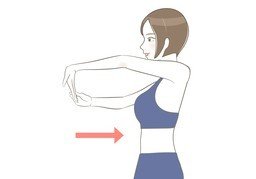
他把手伸向架子上的书。tā bá shǒu shēn xiàng jià zi shàng de shū
He stretched his hand toward the books on the shelf.
Something reaches past its former limit, either by projecting into space or by gaining more length, range, or duration.
伸出手shēn chū shǒu
extend a hand
伸懒腰shēn lǎn yāo
stretch
伸向窗外shēn xiàng chuāng wài
reach out the window
伸手shēn shǒu: Reach out a hand toward something to get it.
举起jú qǐ: Raise something higher with a hand or arm.
延长yán cháng: Increase the length of a period or distance.
使身体的某部分向外或向前伸展,或把物体伸出;也引申为使长度、时间或范围增加。shǐ shēn tǐ de mǒu bù fèn xiàng wài huò xiàng qián shēn zhǎn huò bǎ wù tǐ shēn chū yě yǐn shēn wèi shǐ cháng dù shí jiān huò fàn wéi zēng jiā
伸 (shēn, "stretch") shows something moving outward or becoming straight, which extends to lengthening an object or reaching farther.