

HSK · Level 123
47 words
Search Chinese words by characters, pinyin or English meaning.
Dictionaries
Quick links
Browse
 MotiSpiOfficial conversation app

Chinese word
Pinyinchóu
他成了我的仇。tā chéng le wǒ de chóu
He became my enemy.
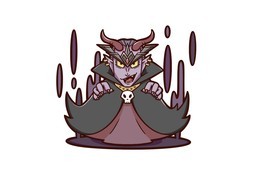
他为了替父亲报这笔仇,多年都没能释怀。tā wèi le tì fù qīn bào zhè bǐ chóu duō nián dōu méi néng shì huái
To avenge his father, he could not let go of this grudge for many years.
Resentment gathers around an opponent until that opponent becomes the focus of hostility.
结下仇jié xià chóu
become enemies
世仇shì chóu
family feud
报仇bào chóu
take revenge
敌人dí rén: An opposing person or group in a struggle or conflict.
仇人chóu rén: An enemy who is hated because of harm done in the past.
冤家yuān jiā: A recurring adversary connected by an ongoing dispute or feud.
宿敌sù dí: An archrival linked to a deep and long-lasting hostility.
怀有怨恨并可能寻求报复的人,或因怨恨而成为敌对的对象,也可泛指仇敌。huái yǒu yuàn hèn bìng kě néng xún qiú bào fù de rén huò yīn yuàn hèn ér chéng wéi dí duì de duì xiàng yě kě fàn zhǐ chóu dí
The character 仇 (chóu, "enemy") combines the person marker 人 (rén, "person") with 九 (jiǔ, "nine") as its phonetic element, and the word has long referred to an opponent connected with resentment.