

HSK · Level 75
60 words
Search Chinese words by characters, pinyin or English meaning.
Dictionaries
Quick links
Browse
 MotiSpiOfficial conversation app

Chinese word
Pinyinliǎo què
他终于把那件旧事了却了。tā zhōng yú bǎ nà jiàn jiù shì liǎo què le
He finally settled that old matter.
她通过对话把多年恩怨了却了。tā tōng guò duì huà bǎ duō nián ēn yuàn liǎo què le
She settled years of grievances through dialogue.
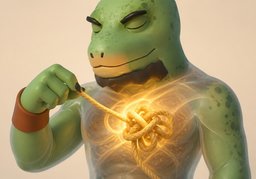
Brings an unfinished concern to its end so the mind no longer has to carry it.
把旧事了却bǎ jiù shì liǎo què
settle old matters
把心愿了却bǎ xīn yuàn liǎo què
fulfill a wish
了结liǎo jié: Bring an unfinished matter to a clear conclusion.
解决jiě jué: Solve a problem and return the situation to a normal state.
放下fàng xià: Let go of an attachment or worry and move on emotionally.
算了suàn le: Decide to stop pursuing a matter and leave it at that.
使一件事情结束,并消除因此在心里留下的牵挂或负担,常用于情感或心理问题的了结。shǐ yí jiàn shì qíng jié shù bìng xiāo chú yīn cǐ zài xīn lǐ liú xià de qiān guà huò fù dān cháng yòng yú qíng gǎn huò xīn lǐ wèn tí de liǎo jié
The compound 了却 (liǎoquè, "to settle") joins 了 (liǎo, "finish") and 却 (què, "remove"), linking the end of an event with the removal of its lingering weight.