

HSK · Level 29
135 words
Search Chinese words by characters, pinyin or English meaning.
Dictionaries
Quick links
Browse
 MotiSpiOfficial conversation app

Chinese word
Pinyindiū rén
他在聚会上丢人了。tā zài jù huì shàng diū rén le
He embarrassed himself at the party.
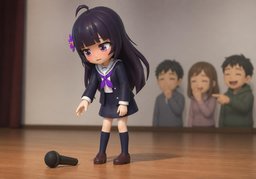
她在演讲时突然丢人,忘了台词。tā zài yán jiǎng shí tū rán diū rén wàng le tái cí
She suddenly embarrassed herself during her speech and forgot her lines.
A person's careless words or actions become a visible mark against their social standing.
在别人面前丢人zài bié rén miàn qián diū rén
embarrass oneself in front of others
丢人现眼diū rén xiàn yǎn
make a fool of oneself
丢脸diū liǎn: Suffer public embarrassment and lose face in front of others.
丢面子diū miàn zi: Damage one's public standing by causing shame in front of others.
出丑chū chǒu: Act shamefully in public and get laughed at by other people.
丢人现眼diū rén xiàn yǎn: Cause severe public embarrassment by drawing attention and ridicule.
在别人面前因言行或失误让自己显得尴尬、被嘲笑或失去面子。zài bié rén miàn qián yīn yán xíng huò shī wù ràng zì jǐ xiǎn de gān gà bèi cháo xiào huò shī qù miàn zi
丢人 (diūrén, "lose face") joins 丢 (diū, "lose or throw away") + 人 (rén, "people"), presenting a person's public regard as something that can be thrown away.