

HSK · Level 76
45 words
Search Chinese words by characters, pinyin or English meaning.
Dictionaries
Quick links
Browse
 MotiSpiOfficial conversation app

Chinese word
Pinyinbù qǐ yǎn
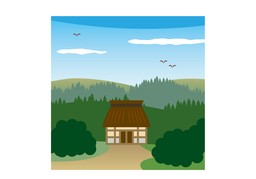
这座小屋很不起眼,很容易错过。zhè zuò xiǎo wū hěn bù qí yǎn hěn róng yì cuò guò
This little house is inconspicuous, so it is easy to miss.
他虽然外表不起眼,但能力很强。tā suī rán wài biǎo bù qí yǎn dàn néng lì hěn qiáng
Although he is inconspicuous in appearance, he is very capable.
Blends into its surroundings instead of pulling visual attention, often because it looks ordinary.
显得不起眼xiǎn de bù qí yǎn
seem inconspicuous
看起来不起眼kàn qǐ lái bù qí yǎn
look inconspicuous
外表不起眼wài biǎo bù qí yǎn
inconspicuous in appearance
不显眼bù xián yǎn: Unobtrusive in appearance and not likely to attract notice.
低调dī diào: Low-key and modest, with no effort to appear flashy.
普通pǔ tōng: Typical and not special, with a familiar everyday quality.
平凡píng fán: Unremarkable and ordinary, without any particularly notable quality.
不容易被别人注意或看到的样子,常用来形容外表、物品或地方显得普通、没吸引力。bù róng yì bèi bié rén zhù yì huò kàn dào de yàng zi cháng yòng lái xíng róng wài biǎo wù pǐn huò dì fāng xiǎn de pǔ tōng méi xī yǐn lì
不起眼 (bùqǐyǎn, "not eye-catching") is formed by putting 不 (bù, "not") before 起眼 (qǐyǎn, "catch the eye"), so its structure points to something that does not draw visual notice.