

Chinese Conversation · Level 7
90 words
Search Chinese words by characters, pinyin or English meaning.
Dictionaries
Quick links
Browse
 MotiSpiOfficial conversation app

Chinese word
Pinyinbù néng
我不能参加明天的会议。wǒ bù néng cān jiā míng tiān de huì yì
I cannot attend tomorrow's meeting.
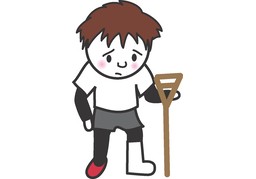
考试期间不能使用手机。kǎo shì qī jiān bù néng shǐ yòng shǒu jī
You must not use a cell phone during the exam.
Marks an action as blocked by a limit, whether the limit comes from ability, conditions, possibility, or permission.
不能吸烟bù néng xī yān
must not smoke
不能进来bù néng jìn lái
must not come in
不能带手机bù néng dài shǒu jī
must not bring a cell phone
能néng: Marks an action as possible when the ability or conditions for it are present.
会huì: Expresses a learned skill or habit that makes an action possible.
不会bú huì: Expresses inability caused by not knowing how to perform an action.
没法méi fǎ: Expresses that an action is impossible because no method or means is available.
表示主语没有能力、条件或可能性去做某事,无法完成某个动作或达到某个结果。biǎo shì zhú yǔ méi yǒu néng lì tiáo jiàn huò kě néng xìng qù zuò mǒu shì wú fǎ wán chéng mǒu gè dòng zuò huò dá dào mǒu gè jié guǒ
不能 (bùnéng, "cannot") is formed from 不 (bù, "not") and 能 (néng, "be able to"), turning the idea of being able to do something into its negative.