

HSK · Level 78
45 words
Search Chinese words by characters, pinyin or English meaning.
Dictionaries
Quick links
Browse
 MotiSpiOfficial conversation app

Chinese word
Pinyinbù xiāng shàng xià
两队的实力不相上下,比赛很难预测。liǎng duì de shí lì bù xiāng shàng xià bǐ sài hěn nán yù cè
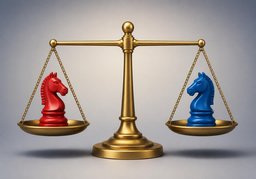
The two teams are evenly matched, so the outcome is hard to predict.
两家公司在市场份额上不相上下,竞争很激烈。liǎng jiā gōng sī zài shì chǎng fèn é shàng bù xiāng shàng xià jìng zhēng hěn jī liè
The two companies are evenly matched in market share, so competition is fierce.
Two sides balance so closely that choosing which one is better becomes difficult.
实力不相上下shí lì bù xiāng shàng xià
evenly matched in strength
水平不相上下shuǐ píng bù xiāng shàng xià
evenly matched in level
双方不相上下shuāng fāng bù xiāng shàng xià
evenly matched on both sides
伯仲bó zhòng: Almost equal in strength or status, with no clear difference in rank or outcome.
拮抗jié kàng: Closely balanced in opposing strength, so the result is difficult to settle.
势均力敌shì jūn lì dí: Equal in strength or ability, with neither side able to overcome the other.
用来形容双方在能力、程度或影响力等方面差距很小,互相接近,难以分出胜负或高下。yòng lái xíng róng shuāng fāng zài néng lì chéng dù huò yíng xiǎng lì děng fāng miàn chā jù hén xiǎo hù xiāng jiē jìn nán yǐ fēn chū shèng fù huò gāo xià
不相上下 (bùxiāngshàngxià, "evenly matched") literally joins 不 (bù, "not"), 相 (xiāng, "each other"), and 上下 (shàngxià, "higher or lower"), expressing that neither side is above the other.