

Chinese Conversation · Level 23
90 words
Search Chinese words by characters, pinyin or English meaning.
Dictionaries
Quick links
Browse
 MotiSpiOfficial conversation app

Chinese word
Pinyinbù wèi shēng
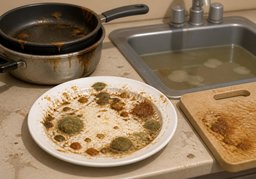
这个厨房不卫生,我不想在这里吃饭。zhè ge chú fáng bú wèi shēng wǒ bù xiǎng zài zhè lǐ chī fàn
This kitchen is unhygienic, and I do not want to eat here.
公园的地面不卫生,不要让孩子直接坐下。gōng yuán de dì miàn bú wèi shēng bú yào ràng hái zi zhí jiē zuò xià
The ground in the park is unhygienic, so do not let children sit directly on it.
A breakdown in cleanliness that can make surroundings, food, or habits unsafe or unpleasant.
环境不卫生huán jìng bú wèi shēng
an unhygienic environment
公共场所不卫生gōng gòng cháng suǒ bú wèi shēng
unhygienic public places
不干净bú gàn jìng: Having visible dirt or rubbish on a surface rather than being clean.
脏zàng: Looking dirty or feeling dirty when touched.
肮脏āng zāng: Being very dirty and causing strong disgust or hygiene concerns.
不整洁bù zhěng jié: Being messy because things are not kept in order.
用于描述场所、食物或个人清洁习惯差,可能影响健康或令人不舒服。yòng yú miáo shù cháng suǒ shí wù huò gè rén qīng jié xí guàn chà kě néng yíng xiǎng jiàn kāng huò lìng rén bù shū fú
不卫生 (bùwèishēng, "not hygienic") joins the negative marker 不 (bù, "not") with 卫生 (wèishēng, "hygiene") to indicate that proper hygienic care is absent.