

HSK · Level 125
15 words
Search Chinese words by characters, pinyin or English meaning.
Dictionaries
Quick links
Browse
 MotiSpiOfficial conversation app

Chinese word
Pinyinbù liǎo liǎo zhī
他把这件事不了了之了。tā bǎ zhè jiàn shì bù liáo liǎo zhī le
He let the matter go unresolved.
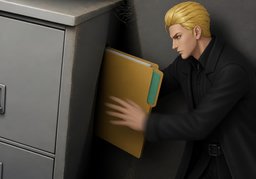
不能因为困难就以不了了之收场,我们要继续调查。bù néng yīn wèi kùn nán jiù yǐ bù liáo liǎo zhī shōu chǎng wǒ men yào jì xù diào chá
We cannot end with the matter unresolved just because it is difficult; we must continue investigating.
An open matter is pushed out of sight until it quietly stops receiving attention.
以不了了之收场yǐ bù liáo liǎo zhī shōu chǎng
end with the matter unresolved
让事情不了了之ràng shì qíng bù liáo liǎo zhī
let the matter go unresolved
置之不理zhì zhī bù lǐ: Ignoring a request or problem and leaving it without any response or attention.
敷衍了事fū yán liǎo shì: Dealing with a matter superficially and cutting corners instead of solving it properly.
作罢zuò bà: Abandoning an action or plan and ending it without continuing.
事情没有得到解决,也没有正式交代或处理,而是以搁置的方式结束。shì qíng méi yǒu dé dào jiě jué yě méi yǒu zhèng shì jiāo dài huò chú lǐ ér shì yǐ gē zhì de fāng shì jié shù
不 (bù, "not") + 了 (liǎo, "finish") says that something is not completed, while 了 + 之 (zhī, "it") means finish it, forming a contrast between an unresolved matter and a supposed ending.