

Chinese Conversation · Level 78
91 words
Search Chinese words by characters, pinyin or English meaning.
Dictionaries
Quick links
Browse
 MotiSpiOfficial conversation app

Chinese word
Pinyinshàng cuò
我刚才上错车,现在要坐回去。wǒ gāng cái shàng cuò chē xiàn zài yào zuò huí qù
I just got on the wrong vehicle, so now I have to ride back.
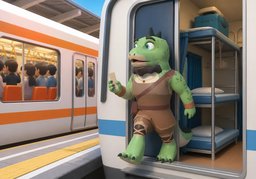
等到终点站才发现自己上错车,只能再坐回去。děng dào zhōng diǎn zhàn cái fā xiàn zì jǐ shàng cuò chē zhǐ néng zài zuò huí qù
I only realized at the terminal station that I had gotten on the wrong vehicle, so I had to ride back.
An ordinary act of boarding or entering reaches an unintended target.
上错车shàng cuò chē
get on the wrong vehicle
乘错chéng cuò: Getting on the wrong bus, train, or other vehicle by mistake.
坐错zuò cuò: Sitting in the wrong seat by mistake.
进错jìn cuò: Entering the wrong room or classroom by mistake.
走错zǒu cuò: Going in the wrong direction by mistake.
错误地登上不是自己要去的车辆或误入与自己目的无关的场所cuò wù dì dēng shàng bú shì zì jǐ yào qù de chē liàng huò wù rù yǔ zì jǐ mù dì wú guān de cháng suǒ
上 (shàng, "get on or enter") supplies the action and 错 (cuò, "wrong") identifies its mistaken target, producing a verb used for an incorrect boarding or entry.