

Chinese Conversation · Level 47
90 words
Search Chinese words by characters, pinyin or English meaning.
Dictionaries
Quick links
Browse
 MotiSpiOfficial conversation app

Chinese word
Pinyinshàng jià
店员把新货上架了。diàn yuán bǎ xīn huò shàng jià le
The shop clerk put the new products on the shelves.
超市把水果上架得很整齐。chāo shì bǎ shuí guǒ shàng jià de hěn zhěng qí
The supermarket put the fruit on the shelves very neatly.
Moves goods into a visible selling position, either on a store rack or in an online shop.
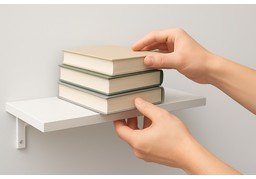
把书上架bǎ shū shàng jià
put books on the shelves
把衣服上架bǎ yī fú shàng jià
put clothes on the shelves
陈列chén liè: Displays goods neatly so customers can see them.
摆放bǎi fàng: Places objects in chosen positions and directions.
上线shàng xiàn: Makes a product available for sale on a website or app.
把新货或待售商品摆放到货架或上线到销售平台,使其进入销售或展示状态的行为。bǎ xīn huò huò dài shòu shāng pǐn bǎi fàng dào huò jià huò shàng xiàn dào xiāo shòu píng tái shǐ qí jìn rù xiāo shòu huò zhǎn shì zhuàng tài de xíng wéi
上架 (shàngjià, "put on a rack") combines 上 (shàng, "up") + 架 (jià, "rack"), extending the physical act of placing goods on a rack to making them available for sale.