

Chinese Conversation · Level 12
90 words
Search Chinese words by characters, pinyin or English meaning.
Dictionaries
Quick links
Browse
 MotiSpiOfficial conversation app

Chinese word
Pinyinshàng qù
我们一起爬上去看看风景。wǒ men yì qǐ pá shàng qù kàn kàn fēng jǐng
Let's climb up together and take a look at the scenery.
他把木箱推上去了。tā bǎ mù xiāng tuī shàng qù le
He pushed the wooden box up.
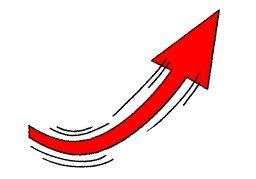
Movement that crosses upward from below and reaches a higher place.
走上去zǒu shàng qù
walk up
跑上去pǎo shàng qù
run up
推上去tuī shàng qù
push up
上来shàng lái: Comes upward from below and reaches a higher place near the speaker.
爬pá: Uses the hands and feet to climb to a higher place.
跳tiào: Uses the legs to spring upward for a short movement.
表示向上方移动或到上面去的动作,既可单独作动词,也常作动词后的方向补语,强调从下向上到达或接近上方的过程。biǎo shì xiàng shàng fāng yí dòng huò dào shàng miàn qù de dòng zuò jì kě dān dú zuò dòng cí yě cháng zuò dòng cí hòu de fāng xiàng bú yǔ qiáng diào cóng xià xiàng shàng dào dá huò jiē jìn shàng fāng de guò chéng
上 (shàng, "up") + 去 (qù, "go") form 上去 (shàngqù, "go up"), making a simple compound for going from a lower level to a higher one.