

Chinese Conversation · Level 71
90 words
Search Chinese words by characters, pinyin or English meaning.
Dictionaries
Quick links
Browse
 MotiSpiOfficial conversation app

Chinese word
Pinyinqī shàng bā xià
开会前我总是七上八下。kāi huì qián wǒ zǒng shì qī shàng bā xià
Before meetings, I always feel uneasy.
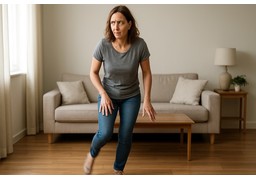
收到陌生电话后她整晚七上八下。shōu dào mò shēng diàn huà hòu tā zhéng wǎn qī shàng bā xià
After receiving a call from a stranger, she felt uneasy all night.
An unsettled inner state that keeps swinging from one extreme to another.
心里七上八下xīn lǐ qī shàng bā xià
feel uneasy
让人七上八下ràng rén qī shàng bā xià
make someone uneasy
心神不宁xīn shén bù níng: A restless state in which the mind cannot feel calm or at peace.
焦虑不安jiāo lǜ bù ān: Feeling anxious and uneasy because of worry about what may happen.
手忙脚乱shǒu máng jiǎo luàn: Being flustered and unable to act smoothly because of haste or confusion.
六神无主liù shén wú zhǔ: Being very flustered and not knowing what to do.
因担心或紧张而心绪不宁、无法平静。yīn dān xīn huò jǐn zhāng ér xīn xù bù níng wú fǎ píng jìng
七上八下 (qīshàngbāxià, "seven up, eight down") places seven above and eight below in a lively, uneven pattern, making the disorderly movement a memorable image for anxious feelings.