

HSK · Level 18
135 words
Search Chinese words by characters, pinyin or English meaning.
Dictionaries
Quick links
Browse
 MotiSpiOfficial conversation app

Chinese word
Pinyinyī shēn
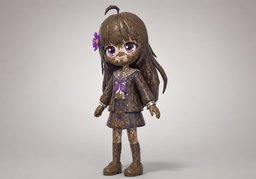
孩子一身泥巴。hái zi yì shēn ní bā
The child's whole body is covered in mud.
手术后,她一身病痛,暂时不能上班。shǒu shù hòu tā yì shēn bìng tòng zàn shí bù néng shàng bān
After surgery, she had pain all over her body and could not work for a while.
The body viewed as one complete physical whole, especially in a visible condition from head to toe.
一身疲惫yì shēn pí bèi
exhausted all over
一身轻松yì shēn qīng sōng
relaxed all over
全身quán shēn: The complete body, referring neutrally to all of its parts.
身上shēn shàng: On the body or its surface, including something related to the body.
浑身hún shēn: All through the body, showing that a condition reaches from the outside toward the inside.
满身mǎn shēn: Covering all parts of the body with a particular condition or substance.
表示整个身体,常用于描述衣物或身体所处的状态。biǎo shì zhěng gè shēn tǐ cháng yòng yú miáo shù yī wù huò shēn tǐ suǒ chù de zhuàng tài
一 (yī, "one") + 身 (shēn, "body") presents the body as a single complete whole.