

HSK · Level 121
46 words
Search Chinese words by characters, pinyin or English meaning.
Dictionaries
Quick links
Browse
 MotiSpiOfficial conversation app

Chinese word
Pinyinyī chóu mò zhǎn
他试了很多办法,还是一筹莫展。tā shì le hěn duō bàn fǎ hái shì yì chóu mò zhǎn
He tried many ways, but was still at a loss.
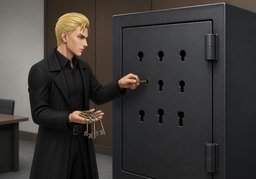
项目陷入困境,经理一时一筹莫展。xiàng mù xiàn rù kùn jìng jīng lǐ yì shí yì chóu mò zhǎn
The project ran into trouble, and the manager was temporarily at a loss.
Every attempted route fails, leaving a problem with no workable way forward.
对这个问题一筹莫展duì zhè ge wèn tí yì chóu mò zhǎn
at a loss over this problem
一时一筹莫展yì shí yì chóu mò zhǎn
temporarily at a loss
束手无策shù shǒu wú cè: Being completely unable to respond because no effective course of action is available.
无计可施wú jì kě shī: Having no method left to use in dealing with a problem.
山穷水尽shān qióng shuǐ jìn: Reaching an extreme dead end with almost no escape or help remaining.
无可奈何wú kě nài hé: Feeling helpless when nothing can be done except accept the situation.
用来形容在遇到难题时尝试各种办法仍无效果,感到无可奈何、没有可行对策的境地。yòng lái xíng róng zài yù dào nán tí shí cháng shì gè zhǒng bàn fǎ réng wú xiào guǒ gǎn dào wú kě nài hé méi yǒu kě xíng duì cè de jìng dì
一 (yī, "one") + 筹 (chóu, "counting rod, later a plan") + 莫 (mò, "not") + 展 (zhǎn, "unfold") creates the image of having no plan to put into action.