

HSK · Level 94
45 words
Search Chinese words by characters, pinyin or English meaning.
Dictionaries
Quick links
Browse
 MotiSpiOfficial conversation app

Chinese word
Pinyinyī wú suǒ yǒu
他现在一无所有。tā xiàn zài yì wú suó yǒu
He has nothing now.
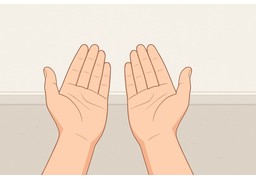
这场火灾使许多居民一无所有。zhè chǎng huǒ zāi shǐ xǔ duō jū mín yì wú suó yǒu
This fire left many residents with nothing.
A life stripped of every possession, with nothing left to claim as one's own.
几乎一无所有jī hū yì wú suó yǒu
have almost nothing
从一无所有到富有cóng yì wú suó yǒu dào fù yǒu
from having nothing to becoming wealthy
两手空空liáng shǒu kōng kōng: Having empty hands and no money or belongings at hand.
家徒四壁jiā tú sì bì: Having a home that is almost bare, with very little furniture or household goods.
身无分文shēn wú fēn wén: Having no cash at all.
一贫如洗yì pín rú xǐ: Living in extreme poverty with almost no money or possessions.
没有任何财物或可称为自己的东西,处于完全空无的状态。méi yǒu rèn hé cái wù huò kě chēng wéi zì jǐ de dōng xī chǔ yú wán quán kōng wú de zhuàng tài
The four parts 一 (yī, "one"), 无 (wú, "not have"), 所 (suǒ, "that which"), and 有 (yǒu, "possess") combine to express the complete absence of anything owned.