

HSK · Level 108
45 words
Search Chinese words by characters, pinyin or English meaning.
Dictionaries
Quick links
Browse
 MotiSpiOfficial conversation app

Chinese word
Pinyinyī gān èr jìng
他把房间打扫得一干二净。tā bǎ fáng jiān dá sǎo de yì gān èr jìng
He cleaned the room completely.
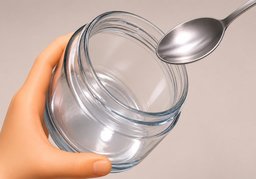
他把衣柜收拾得一干二净。tā bǎ yī guì shōu shí de yì gān èr jìng
He tidied up the wardrobe completely.
A final state in which every part is dealt with and no residue or trace remains.
收拾得一干二净shōu shí de yì gān èr jìng
tidy up completely
打扫得一干二净dá sǎo de yì gān èr jìng
clean completely
清理得一干二净qīng lǐ de yì gān èr jìng
clear out completely
完全wán quán: Completely or entirely, with no missing part or amount.
彻底chè dǐ: Thoroughly, with a process carried through to the end and no unresolved part remaining.
干干净净gān gān jìng jìng: Spotlessly and neatly, with no dirt or disorder left.
口语副词,表示某动作或状态达到完全、无一遗留的程度。kóu yǔ fù cí biǎo shì mǒu dòng zuò huò zhuàng tài dá dào wán quán wú yì yí liú de chéng dù
In 一干二净 (yīgānèrjìng, "completely clean"), 干净 (gānjìng, "clean") supplies the residue-free image, while 一 (yī, "one") and 二 (èr, "two") give the idiom an emphatic, all-the-way rhythm.