


English–Chinese
“all” in Chinese
How to say “all” in Chinese
“All” in Chinese is 全部 (quán bù).
Everything viewed together as one undivided whole.
Example sentences with 全部
他们把全部的书搬走了。tā men bǎ quán bù de shū bān zǒu le
They moved all the books away.
Tips for using 全部
- English often needs everything when the word stands alone, while Chinese can use 全部 (quánbù, "all") in that position and commonly adds 都 (dōu, "all") before the action.
Other Chinese words for “all”
我们全都同意。wǒ men quán dōu tóng yì
We all agree.

我们都去了。wǒ men dōu qù le
We all went.

所有的书都在桌子上。suó yǒu de shū dōu zài zhuō zi shàng
All the books are on the table.

凡是学生,都要遵守校规。fán shì xué shēng dōu yào zūn shǒu xiào guī
All students must follow the school rules.

与会者皆表示赞同。yù huì zhě jiē biǎo shì zàn tóng
All the attendees expressed their agreement.

我们全都知道了。wǒ men quán dōu zhī dào le
We all understand now.
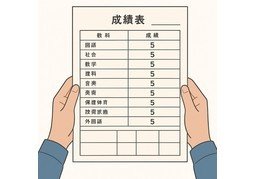
把垃圾统统扔掉吧。bǎ lā jī tóng tǒng rēng diào ba
Throw all the trash away.

这些错误我通通改正了。zhè xiē cuò wù wǒ tōng tōng gǎi zhèng le
I corrected all these mistakes.