

Korean Conversation · Level 295
15 words
Search Korean words by Hangul, romanization or English meaning.
Dictionaries
Quick links
Browse
 MotiSpiOfficial conversation app

Korean word
Romanizationeungjinghada
회사는 부정행위를 한 직원을 응징했다.hoe sa neun pu jeong haeng wi reul han chi gwo neul eung jing haet tta
The company punished the employee for misconduct.
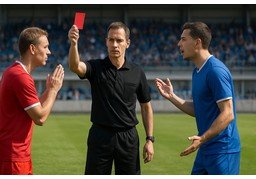
연예인 팬들이 악플러를 응징했다.yeo nye in paen deu ri ak peul leo reul eung jing haet tta
Fans of the celebrity punished people who posted hateful comments.
Punishment is given in response to wrongdoing, with the aim of restoring order.
악플을 응징하다ak peu reul eung jing ha da
punish abusive comments
사기꾼을 응징하다sa gi kku neul eung jing ha da
punish a con artist
혼내다honnaeda: Scold or correct someone for bad behavior so the behavior changes.
처벌하다cheobeolhada: Punish a rule breaker or criminal under a law or rule.
징계하다chinggyehada: Discipline a member of a workplace or group for breaking its rules.
제재하다chejaehada: Impose sanctions on a person or group for breaking rules or accepted standards.
잘못이나 해를 끼친 사람에게 벌을 주어 잘못을 바로잡는 동사.chal mo si na hae reul kki chin sa ra me ge peo reul chu eo chal mo seul pa ro jam neun tong sa
응징하다 (eungjinghada, "to punish in response to wrongdoing") is formed by adding 하다 (hada, "to do") to the Sino-Korean noun 응징 (eungjing, "such punishment").