

TOPIK · Level 207
15 words
Search Korean words by Hangul, romanization or English meaning.
Dictionaries
Quick links
Browse
 MotiSpiOfficial conversation app

Korean word
Romanizationyumul
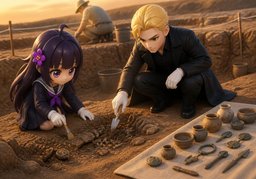
고고학자들이 많은 유물을 발굴했어요.ko go hak jja deu ri ma neun yu mu reul pal gul hae sseo yo
Archaeologists excavated many artifacts.
박물관 신설로 많은 유물이 옮겨졌어요.pang mul gwan sin seol lo ma neun yu mu ri om gyeo jeo sseo yo
Because a new museum was established, many artifacts were moved.
A preserved object made in an earlier age and valued as evidence of the past.
출토 유물chul to yu mul
excavated artifact
박물관 소장 유물pang mul gwan so jang yu mul
museum-held artifact
유물 전시yu mul cheon si
artifact display
유품yupum: An item left by a deceased person and kept as a personal reminder.
골동품koldongpum: An old object valued for its age and collected or sold.
유적지yujeokjji: A place where buildings or other traces of past human life remain.
과거에 만들어져 지금까지 남아 있는 물건으로, 특히 발굴되어 역사적 가치를 지닌 물건.kwa geo e man deu reo jeo chi geum kka ji na ma in neun mul geo neu ro teu ki pal gul doe eo yeok ssa jeok ka chi reul chi nin mul geon
The word is a Sino-Korean formation built from the ideas of remaining and an object, making its historical meaning easy to trace.