

TOPIK · Level 179
15 words
Search Korean words by Hangul, romanization or English meaning.
Dictionaries
Quick links
Browse
 MotiSpiOfficial conversation app

Korean word
Romanizationuseoreun
여기에는 웃어른이 많아서 예의를 지켜야 해요.yeo gi e neun u seo reu ni ma na seo ye ui reul chi kyeo ya hae yo
There are many older people here, so we have to be polite.
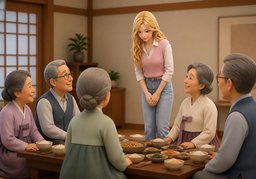
처음 만난 자리에서 웃어른께 먼저 인사했어요.cheo eum man nan cha ri e seo u seo reun kke meon jeo in sa hae sseo yo
I greeted the elder first when we first met.
A respected person who stands above others in age or social position.
웃어른께 인사하다u seo reun kke in sa ha da
greet an elder
웃어른을 공경하다u seo reu neul kong gyeong ha da
respect an elder
웃어른에게 예의를 갖추다u seo reu ne ge ye ui reul kat chu da
show respect to an elder
어른eoreun: An adult who has moved beyond childhood and is expected to act responsibly.
어르신eoreusin: A courteous form of address for an older person.
윗사람witssaram: A higher-ranking or older person within a social group.
선배seonbae: A group member with greater seniority through earlier entry or longer experience.
집단에서 나이나 지위 면에서 위에 있는 사람을 정중히 가리키는 말chip tta ne seo na i na chi wi myeo ne seo wi e in neun sa ra meul cheong jung hi ka ri ki neun mal
The modern form is a shortened development of an older Korean compound built from the ideas of being above and being an adult or respected person.