

Korean Conversation · Level 215
15 words
Search Korean words by Hangul, romanization or English meaning.
Dictionaries
Quick links
Browse
 MotiSpiOfficial conversation app

Korean word
Romanizationoega
이번 주말에 외가에 들를 예정이에요.i beon chu ma re oe ga e teul leul ye jeong i e yo
I'm planning to stop by my maternal grandparents' house this weekend.
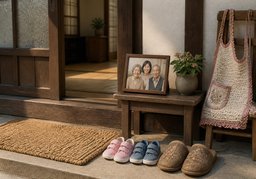
어제 외가에서 맛있는 음식을 많이 먹었어요.eo je oe ga e seo ma sin neun eum si geul ma ni meo geo sseo yo
Yesterday, I ate lots of delicious food at my maternal grandparents' house.
The maternal side of the family, especially the home where those relatives live.
외가에 다녀오다oe ga e ta nyeo o da
go to my maternal grandparents' house and come back
외가에 계시다oe ga e kye si da
be at my maternal grandparents' house
외갓집oegatjjip: A maternal family home spoken of with familiar affection.
친가chinga: The home of relatives on the father's side, especially paternal grandparents.
처가cheoga: The home of a wife's parents.
시댁sidaek: The home of a husband's parents.
어머니 쪽의 친척이나 어머니의 집을 가리키는 명사.eo meo ni jjo gui chin cheo gi na eo meo ni ui chi beul ka ri ki neun myeong sa
The word combines Sino-Korean elements meaning outside and family, with the first marking the maternal side in traditional kinship vocabulary.