

Korean Conversation · Level 344
15 words
Search Korean words by Hangul, romanization or English meaning.
Dictionaries
Quick links
Browse
 MotiSpiOfficial conversation app

Korean word
Romanizationomul
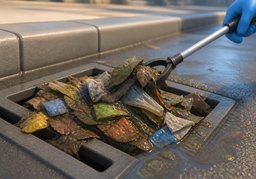
하수구에 오물이 쌓여 있어요.ha su gu e o mu ri ssa yeo i sseo yo
Filth has built up in the drain.
공원 벤치 밑에 오물이 버려져 있었어요.kong won pen chi mi te o mu ri peo ryeo jeo i sseo sseo yo
Filth had been dumped under the park bench.
Unclean material treated as waste, such as built-up grime, sludge, or other foul matter awaiting cleanup.
오물 냄새o mul naem sae
smell of filth
오물이 쌓이다o mu ri ssa i da
filth buildup
오물 제거o mul che geo
filth removal
쓰레기sseuregi: Unwanted or dirty things gathered to be thrown away.
찌꺼기jjikkeogi: Small bits left after something is used or eaten, often settling in a container.
폐기물pyegimul: Discarded material that needs separate handling for environmental or health reasons.
주로 불결하고 제거해야 할 오염물이나 더러운 물건을 일컫는 말로, 청소 대상인 쓰레기나 배설물을 포함하는 명사.chu ro pul gyeol ha go che geo hae ya hal o yeom mu ri na teo reo un mul geo neul il keon neun mal lo cheong so tae sang in sseu re gi na pae seol mu reul po ham ha neun myeong sa
The word comes from Sino-Korean elements meaning dirty and thing, a compact way to name something dirty that has become a cleaning target.