

TOPIK · Level 355
15 words
Search Korean words by Hangul, romanization or English meaning.
Dictionaries
Quick links
Browse
 MotiSpiOfficial conversation app

Korean word
Romanizationsudongjeok
그는 변화에 대해 수동적이다.keu neun pyeon hwa e tae hae su dong jeo gi da
He is passive about change.
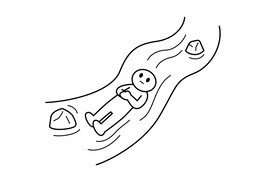
토론에서 그는 계속 수동적이었다.to ro ne seo keu neun kye sok su dong jeo gi eot tta
During the discussion, he continued to be passive.
A person or group lets outside forces shape what happens instead of taking the lead.
수동적인 태도su dong jeo gin tae do
passive attitude
수동적인 경향su dong jeo gin kyeong hyang
passive tendency
소극적sogeukjjeok: Holding back from speaking or acting, with little initiative.
의존적uijonjeok: Relying on other people for decisions or help and struggling to manage alone.
어떤 일에 대해 주체적으로 움직이지 않고 남의 영향이나 환경 변화에 의해 좌우되는 성질을 나타내는 형용사.eo tteon i re tae hae chu che jeo geu ro um ji gi ji an ko na mui yeong hyang i na hwan gyeong pyeon hwa e ui hae chwa u doe neun seong ji reul na ta nae neun hyeong yong sa
The word combines the Sino-Korean elements for receiving and moving with the suffix meaning related to, forming the idea of being acted on rather than acting.