

TOPIK · Level 272
15 words
Search Korean words by Hangul, romanization or English meaning.
Dictionaries
Quick links
Browse
 MotiSpiOfficial conversation app

Korean word
Romanizationpaeksseong
왕은 백성들의 삶을 먼저 생각했다.wang eun paek sseong deu rui sal meul meon jeo saeng ga kaet tta
The king thought of his subjects' lives first.
정부는 백성들을 보호할 책임이 있다.cheong bu neun paek sseong deu reul po ho hal chae gi mi it tta
The government has a responsibility to protect its subjects.
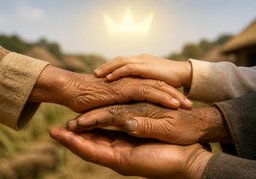
Ordinary people viewed collectively as belonging to a king or state, especially in a historical setting.
백성들을 보호하다paek sseong deu reul po ho ha da
protect the subjects
백성들의 목소리를 듣다paek sseong deu rui mok sso ri reul teut tta
listen to the subjects' voices
백성들을 돕다paek sseong deu reul top tta
help the subjects
사람들saramdeul: A broad, everyday term for people as a group.
국민kungmin: People officially recognized as members of a nation with legal rights and duties.
주민chumin: Members of a local community who live in a particular place.
시민simin: People viewed as members of society who share civic rights and responsibilities.
왕과 국가에 속한 평범한 사람들, 특히 옛 문헌에서 민중이나 국민을 이르는 말.wang gwa kuk kka e so kan pyeong beom han sa ram deul teu ki yet mun heo ne seo min jung i na kung mi neul i reu neun mal
The traditional explanation of the Sino-Korean word 백성 (baeksseong, "the people") connects it with many family names or clans forming one people.