

Korean Conversation · Level 126
15 words
Search Korean words by Hangul, romanization or English meaning.
Dictionaries
Quick links
Browse
 MotiSpiOfficial conversation app

Korean word
Romanizationpanseong
그는 잘못을 인정하고 반성을 했다.keu neun chal mo seul in jeong ha go pan seong eul haet tta
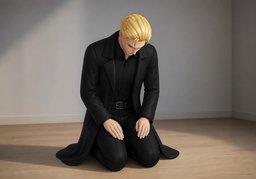
He admitted his mistake and reflected on it.
사과 후에도 반성의 기미가 보이지 않았다.sa gwa hu e do pan seong ui ki mi ga po i ji a nat tta
Even after apologizing, there was no sign of remorse.
An inward review of one's conduct that leads to admitting a fault and correcting one's attitude.
반성을 하다pan seong eul ha da
reflect
반성을 보이다pan seong eul po i da
show remorse
자기성찰chagiseongchal: Deep examination of personal values and actions to gain a clearer view of oneself.
후회huhoe: Painful sadness about a past choice or action that one wishes had been different.
사과sagwa: Words or actions that acknowledge a wrong and express regret to the person affected.
자신의 언행을 되돌아보며 잘못을 인정하고 태도를 고치려는 마음가짐cha si nui eon haeng eul toe do ra bo myeo chal mo seul in jeong ha go tae do reul ko chi ryeo neun ma eum ga jim
반 (ban, "turn back") and 성 (seong, "examine") combine in the Sino-Korean word to suggest checking oneself by looking back.