

Korean Conversation · Level 145
15 words
Search Korean words by Hangul, romanization or English meaning.
Dictionaries
Quick links
Browse
 MotiSpiOfficial conversation app

Korean word
Romanizationmungmuki
그는 묵묵히 자리를 떠났다.keu neun mung mu ki cha ri reul tteo nat tta
He silently left his seat.
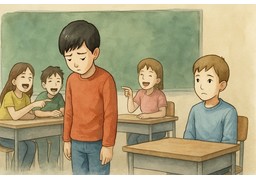
아버지는 묵묵히 자리를 지켰다.a beo ji neun mung mu ki cha ri reul chi kyeot tta
My father remained where he was without saying anything.
Quietly carrying on or remaining without saying anything.
묵묵히 참다mung mu ki cham tta
silently endure
묵묵히 지켜보다mung mu ki chi kyeo bo da
silently watch
말없이mareopssi: Doing something wordlessly so that actions convey the meaning.
조용히choyonghi: Doing something gently and calmly with little or no noise.
가만히kamanhi: Remaining still without extra movement or speech.
아무 말도 하지 않고 조용히 행동하거나 머물러 있을 때 쓰는 부사a mu mal do ha ji an ko cho yong hi haeng dong ha geo na meo mul leo i sseul ttae sseu neun pu sa
묵묵히 (mungmuki, "silently") comes from 묵묵 (mungmu, "quietly and without words") plus the adverb-forming ending 히 (ki, "adverb-forming ending").