

Korean Conversation · Level 291
15 words
Search Korean words by Hangul, romanization or English meaning.
Dictionaries
Quick links
Browse
 MotiSpiOfficial conversation app

Korean word
Romanizationmuanhada
회의에서 농담이 안 통해서 모두가 무안해졌어요.hoe ui e seo nong da mi an tong hae seo mo du ga mu an hae jeo sseo yo
Everyone felt awkward because the joke fell flat at the meeting.
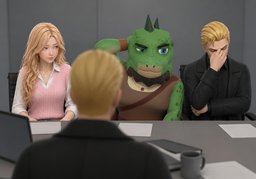
선생님의 질문에 학생이 무안한 얼굴을 했다.seon saeng ni mui chil mu ne hak ssaeng i mu an han eol gu reul haet tta
The student looked awkward in response to the teacher's question.
Other people's reactions make someone feel exposed and unable to carry on comfortably.
무안한 얼굴mu an han eol gul
awkward-looking face
부끄럽다pukkeureoptta: Feeling bashful or embarrassed when attention turns toward someone, causing them to withdraw.
창피하다changpihada: Feeling embarrassed because a mistake or personal weakness has been exposed in public.
민망하다minmanghada: Feeling uncomfortable because an innocent mistake has created an awkward moment.
어색하다eosaekada: Describing an interaction or atmosphere that lacks a natural, easy flow.
다른 사람들 앞에서 말이나 행동이 어울리지 않아 창피하거나 얼굴을 들기 힘든 상태를 가리키는 형용사.ta reun sa ram deul a pe seo ma ri na haeng dong i eo ul li ji a na chang pi ha geo na eol gu reul teul gi him deun sang tae reul ka ri ki neun hyeong yong sa
Its meaning grew from the image of having no face to show, and the Korean adjective-forming ending turns that image into a feeling.