

TOPIK · Level 289
15 words
Search Korean words by Hangul, romanization or English meaning.
Dictionaries
Quick links
Browse
 MotiSpiOfficial conversation app

Korean word
Romanizationtteonagada
손님들이 떠나가서 가게가 조용해졌어요.son nim deu ri tteo na ga seo ka ge ga cho yong hae jeo sseo yo
The guests left, so the store became quiet.
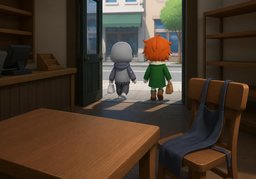
그는 갑자기 집을 떠나갔어요.keu neun kap jja gi chi beul tteo na ga sseo yo
He suddenly left the house.
A person or group departs and keeps moving farther from the starting point.
집을 떠나가다chi beul tteo na ga da
leave the house
사람들이 떠나가다sa ram deu ri tteo na ga da
people go away
혼자서 떠나가다hon ja seo tteo na ga da
leave by oneself
떠나다tteonada: Leaving a place or position behind and going elsewhere.
나가다nagada: Going from inside a place to the outside.
가버리다kabeorida: Going off and ending up gone from the scene.
가다kada: Traveling from one place in the direction of another.
현재 있던 자리에서 멀어져 가는 행위를 이르는 동사로, 출발뿐 아니라 그 후의 이동 과정까지 포함한다.hyeon jae it tteon cha ri e seo meo reo jeo ka neun haeng wi reul i reu neun tong sa ro chul bal ppun a ni ra keu hu ui i dong kwa jeong kka ji po ham han da
The form adds the movement of 가다 (gada, "go") to the idea of leaving, so the word portrays departure as an ongoing movement.