

TOPIK · Level 250
15 words
Search Korean words by Hangul, romanization or English meaning.
Dictionaries
Quick links
Browse
 MotiSpiOfficial conversation app

Korean word
Romanizationtwinmoseup
낯선 사람의 뒷모습은 평범해 보였다.nat sseon sa ra mui twin mo seu beun pyeong beom hae po yeot tta
The stranger looked ordinary from behind.
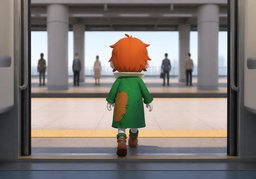
버스를 기다리는 여자의 뒷모습이 쓸쓸해 보였다.peo seu reul ki da ri neun yeo ja ui twin mo seu bi sseul sseul hae po yeot tta
The woman looked lonely from behind as she waited for the bus.
The outline and overall look revealed when a person or object is viewed from the rear.
어린아이의 뒷모습eo ri na i ui twin mo seup
back view of a young child
청년의 뒷모습cheong nyeo nui twin mo seup
back view of a young man
앞모습ammoseup: The visible face, body, and impression of a person or object seen head-on.
옆모습yeommoseup: The visible outline and stance of a person or object seen from one side.
사람이나 물건의 뒤쪽에서 보이는 겉모습이나 생김새를 이르는 말sa ra mi na mul geo nui twi jjo ge seo po i neun keon mo seu bi na saeng gim sae reul i reu neun mal
뒷모습 (dwinmoseup, "appearance from behind") combines 뒷 (dwin, "rear") and 모습 (moseup, "appearance") to describe what is visible from the back.