

Korean Conversation · Level 143
15 words
Search Korean words by Hangul, romanization or English meaning.
Dictionaries
Quick links
Browse
 MotiSpiOfficial conversation app

Korean word
Romanizationtanghwang
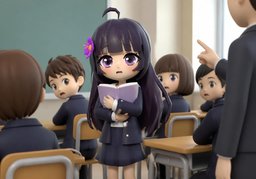
갑자기 질문을 받아 당황했어요.kap jja gi chil mu neul pa da tang hwang hae sseo yo
I was flustered when I was suddenly asked a question.
택시가 오지 않아서 잠깐 당황했어요.taek ssi ga o ji a na seo cham kkan tang hwang hae sseo yo
I was briefly flustered because the taxi did not come.
An unexpected event disrupts someone's composure so that a suitable response does not come immediately.
길을 잃어 당황했어요ki reul i reo tang hwang hae sseo yo
be flustered after getting lost
문제가 생겨서 당황했어요mun je ga saeng gyeo seo tang hwang hae sseo yo
be flustered when a problem arises
아이들이 갑자기 울어서 당황했어요a i deu ri kap jja gi u reo seo tang hwang hae sseo yo
be flustered when children suddenly cry
놀라다nollada: Feeling sudden surprise when unexpected news, events, or sounds occur.
어쩔 줄 모르다eojjeol jjul moreuda: Not knowing what action to take in an unexpected situation.
혼란스러워하다hollanseureowohada: Having thoughts that are jumbled and difficult to organize.
예기치 않은 일을 만나 마음이 어수선해지고 즉시 적절히 반응하지 못하는 상태를 가리키는 말.ye gi chi a neun i reul man na ma eu mi eo su seon hae ji go cheuk ssi cheok jjeol hi pa neung ha ji mo ta neun sang tae reul ka ri ki neun mal
Its traditional Sino-Korean elements express confronting a situation and becoming unsettled, a combination that reflects the word's reaction to surprise.