

Japanese Conversation · Level 103
60 words
Search Japanese words as written, in romaji or by English meaning.
Dictionaries
Quick links
Browse
 MotiSpiOfficial conversation app

Japanese word
Romajimahi
右手に麻痺が残っています。migi te ni ma hi ga noko tte i ma su
I still have paralysis in my right hand.
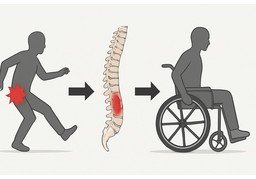
医師は麻痺の程度を丁寧に確認します。i shi wa ma hi no tei do o tei nei ni kaku nin shi ma su
The doctor carefully checks the degree of paralysis.
Describes a state in which normal sensation, movement, or responsiveness is greatly reduced or lost in a body part or in the mind.
麻痺の程度ma hi no tei do
degree of paralysis
麻痺を伴うma hi o tomona u
be accompanied by paralysis
麻痺が進むma hi ga susu mu
paralysis progresses
しびれshibire: An altered or reduced sense of feeling in part of the body.
機能不全kinōfuzen: A condition in which a body part, system, or organization fails to work normally.
無反応muhannō: A state in which a person or system does not respond to a stimulus.
病気やけがなどによって、体や心の働きが鈍る、または失われる状態。byō ki ya ke ga na do ni yo tte karada ya kokoro no hatara ki ga nibu ru ma ta wa ushina wa re ru jō tai
麻痺 (mahi) is a Sino-Japanese compound of 麻 (ma, "numbness") and 痺 (hi, "numbness or paralysis"), whose meanings combine to describe impaired sensation or function.