

Japanese Conversation · Level 76
76 words
Search Japanese words as written, in romaji or by English meaning.
Dictionaries
Quick links
Browse
 MotiSpiOfficial conversation app

Japanese word
Romajihibiku
大きな声が部屋に響きます。ō ki na koe ga heya ni hibi ki ma su
A loud voice echoes through the room.
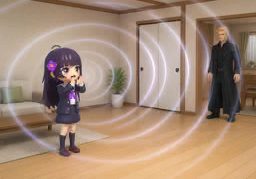
このホールでは、小さな声でも響きます。ko no hō ru de wa chii sa na koe de mo hibi ki ma su
Even a soft voice echoes in this hall.
It expresses sound reaching beyond its source and lingering in the surrounding space.
声が響くkoe ga hibi ku
the voice echoes
部屋に響くheya ni hibi ku
echo through the room
山に響くyama ni hibi ku
echo through the mountains
通るtōru: A voice or sound reaches listeners clearly across a distance.
声や音が空間に広がって残り、聞く人に届く。koe ya oto ga kū kan ni hiro ga tte noko ri ki ku hito ni todo ku
響く (hibiku) is a simple native Japanese verb recorded in earlier Japanese, while the kanji spelling uses 響 (kyō, "resound") because of the character's meaning.