

JLPT · Level 151
15 words
Search Japanese words as written, in romaji or by English meaning.
Dictionaries
Quick links
Browse
 MotiSpiOfficial conversation app

Japanese word
Romajiheikō
難しい質問に閉口しました。muzuka shi i shitsu mon ni hei kō shi ma shi ta
I was at a loss over the difficult question.
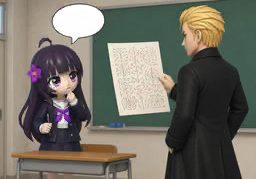
連日の騒音には閉口です。ren jitsu no sō on ni wa hei kō de su
I am fed up with the daily noise.
Expresses a state in which difficulty or exasperation leaves a person unable to answer or deal with the matter.
質問攻めに閉口するshitsu mon se me ni hei kō su ru
be fed up with a barrage of questions
しつこい勧誘に閉口するshi tsu ko i kan yū ni hei kō su ru
be fed up with persistent solicitation
困惑konwaku: A state in which a person cannot decide what to say or do because of a difficult matter.
当惑tōwaku: A state of uncertainty caused by an unexpected matter that is difficult to deal with.
辟易hekieki: A state of strong aversion caused by continued contact with something troublesome or unpleasant.
難しい事柄に返答や対処ができずに困ること。また、相手や物事に手を焼いてうんざりすること。muzuka shi i koto gara ni hen tō ya tai sho ga de ki zu ni koma ru ko to ma ta ai te ya mono goto ni te o ya i te u n za ri su ru ko to
閉口 (heikō) is formed from 閉 (hei, "close") and 口 (kō, "mouth"), referring to a mouth being closed when someone cannot answer and later to feeling troubled or fed up.