

JLPT · Level 59
45 words
Search Japanese words as written, in romaji or by English meaning.
Dictionaries
Quick links
Browse
 MotiSpiOfficial conversation app

Japanese word
Romajijūtai
父は重体です。chichi wa jū tai de su
My father is in serious condition.
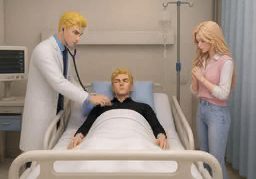
事故でけがをした男性は、病院で重体と診断されました。ji ko de ke ga o shi ta dan sei wa byō in de jū tai to shin dan sa re ma shi ta
The man who was injured in the accident was found to be in critical condition at the hospital.
Expresses that illness or injury has placed a person's body in an extremely serious condition.
重体に陥るjū tai ni ochii ru
become critically ill
重体から回復するjū tai ka ra kai fuku su ru
recover from a critical condition
重体と判明するjū tai to han mei su ru
be found to be in critical condition
重篤jūtoku: A condition in which an illness or injury is extremely severe.
危篤kitoku: A condition in which a person's illness or injury may soon result in death.
重症jūshō: A severe condition resulting from an illness or injury.
病気やけがの程度がひどく、生命の危険がある状態。byō ki ya ke ga no tei do ga hi do ku sei mei no ki ken ga a ru jō tai
重体 (jūtai) combines 重 (jū, "serious") with 体 (tai, "body or condition") to describe a person's seriously impaired condition.