

Japanese Conversation · Level 130
60 words
Search Japanese words as written, in romaji or by English meaning.
Dictionaries
Quick links
Browse
 MotiSpiOfficial conversation app

Japanese word
Romajiiseki
この遺跡はとても有名です。ko no i seki wa to te mo yū mei de su
This archaeological site is very famous.
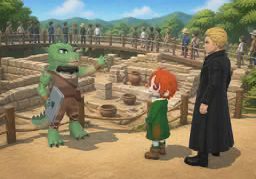
この町には古い遺跡がいくつも残っています。ko no machi ni wa furu i i seki ga i ku tsu mo noko tte i ma su
Several ancient archaeological sites remain in this town.
Describes a place that preserves evidence of how people lived or worked in an earlier time.
遺跡を調査するi seki o chō sa su ru
survey an archaeological site
遺跡を保存するi seki o ho zon su ru
preserve an archaeological site
史跡shiseki: A historically important place officially designated for protection and preservation.
昔の人々の生活や活動の跡が残る場所。mukashi no hito bito no sei katsu ya katsu dō no ato ga noko ru ba sho
遺跡 (iseki) is formed from 遺 (i, "leave behind") and 跡 (seki, "trace"), referring to a trace left from the past.