

JLPT · Level 182
15 words
Search Japanese words as written, in romaji or by English meaning.
Dictionaries
Quick links
Browse
 MotiSpiOfficial conversation app

Japanese word
Romajisōnan
山で遭難した人を助けます。yama de sō nan shi ta hito o tasu ke ma su
We help people stranded in the mountains.
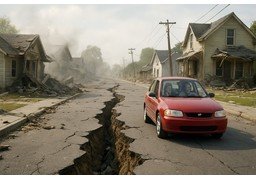
救助隊は海上の遭難現場に向かいました。kyū jo tai wa kai jō no sō nan gen ba ni mu ka i ma shi ta
The rescue team headed to the scene of the maritime disaster.
Centers on encountering danger and being unable to escape or continue without help.
遭難信号sō nan shin gō
distress signal
遭難の原因sō nan no gen in
cause of the disaster
遭難の知らせsō nan no shi ra se
news of the disaster
災害saigai: A serious event that causes widespread damage or harm to people, property, or the environment.
災難sainan: A harmful event that brings serious trouble or loss to a person or group.
事故や災害に遭って、危険な場所で身動きが取れず、救助を必要とすること。ji ko ya sai gai ni a tte ki ken na ba sho de mi ugo ki ga to re zu kyū jo o hitsu yō to su ru ko to
遭難 (sōnan) combines 遭 (sō, "to encounter") and 難 (nan, "difficulty or disaster"), describing an encounter with danger that requires rescue.