

JLPT · Level 103
45 words
Search Japanese words as written, in romaji or by English meaning.
Dictionaries
Quick links
Browse
 MotiSpiOfficial conversation app

Japanese word
Romajiyūboku
乾燥した地域では、遊牧が行われています。kan sō shi ta chi iki de wa yū boku ga okona wa re te i ma su
Nomadism is practiced in dry regions.
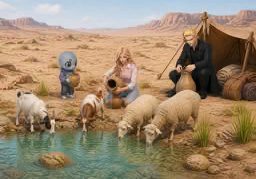
遊牧は、水や草を求めて移動する生活です。yū boku wa mizu ya kusa o moto me te i dō su ru sei katsu de su
Nomadism is a way of life involving movement in search of water and grass.
Refers to a mobile way of living that follows available pasture and water while keeping livestock as a main source of livelihood.
遊牧を営むyū boku o itona mu
practice nomadism
遊牧生活yū boku sei katsu
nomadic life
移牧iboku: A form of livestock keeping that moves between fixed seasonal pastures.
放牧hōboku: The practice of letting livestock feed on open grassland.
牧畜bokuchiku: The raising and care of livestock as a livelihood or industry.
牧草や水を求めて家畜とともに移動し、一定の場所に定住しない生活形態。boku sō ya mizu o moto me te ka chiku to to mo ni i dō shi it tei no ba sho ni tei jū shi na i sei katsu kei tai
遊牧 (yūboku) is a compound of 遊 (yū, "to wander or move about") and 牧 (boku, "pasture"), linking movement with the raising of animals.