

Japanese Conversation · Level 65
75 words
Search Japanese words as written, in romaji or by English meaning.
Dictionaries
Quick links
Browse
 MotiSpiOfficial conversation app

Japanese word
Romajitsuranaru
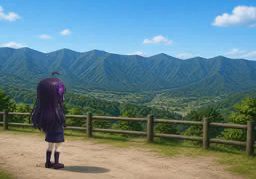
山々が連なります。yama yama ga tsura na ri ma su
The mountains stretch out in a row.
海岸沿いには小さな町が連なっています。kai gan so i ni wa chii sa na machi ga tsura na tte i ma su
Small towns stretch along the coast.
It conveys a series of connected things stretching out together rather than standing separately.
連なる山々tsura na ru yama yama
mountains stretching out in a row
連なる峰々tsura na ru mine mine
peaks stretching out in a row
連なる島々tsura na ru shima jima
islands stretching out in a row
つながるtsunagaru: To be joined so that separate things form a continuous whole.
並ぶnarabu: To be situated side by side in a line or group.
続くtsuzuku: To extend through a series without a break.
物事が互いにつながるように並び、長く続く。mono goto ga taga i ni tsu na ga ru yō ni nara bi naga ku tsuzu ku
連なる (tsuranaru) is a native Japanese verb formed from つら (tsura, "row") and なる (naru, "become"), expressing the formation of a row.