

JLPT · Level 121
15 words
Search Japanese words as written, in romaji or by English meaning.
Dictionaries
Quick links
Browse
 MotiSpiOfficial conversation app

Japanese word
Romajitōsō
警察は犯人の逃走を防ぎました。kei satsu wa han nin no tō sō o fuse gi ma shi ta
The police prevented the criminal's escape.
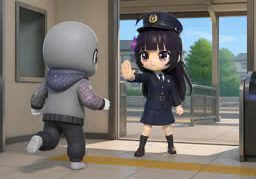
容疑者は裏口から逃走を図りました。yō gi sha wa ura guchi ka ra tō sō o haka ri ma shi ta
The suspect attempted to escape through the back door.
Describes leaving a place or situation under pursuit or restraint so that control over the person is lost.
逃走を図るtō sō o haka ru
attempt to escape
逃走を防ぐtō sō o fuse gu
prevent an escape
逃走経路tō sō kei ro
escape route
逃亡tōbō: The act of fleeing from authorities or avoiding capture.
脱走dassō: The act of leaving a confined place without permission.
脱出dasshutsu: The act of getting out of a place or situation that holds or limits a person.
追跡や拘束を免れるために、いた場所から逃げ去ること。tsui seki ya kō soku o manuga re ru ta me ni i ta ba sho ka ra ni ge sa ru ko to
The Sino-Japanese word 逃走 (tōsō, "escape") is formed from 逃 (tō, "flee") and 走 (sō, "run"), with both parts pointing to flight from pursuit.