

Japanese Conversation · Level 66
75 words
Search Japanese words as written, in romaji or by English meaning.
Dictionaries
Quick links
Browse
 MotiSpiOfficial conversation app

Japanese word
Romajitaikutsu
この映画は退屈です。ko no ei ga wa tai kutsu de su
This movie is boring.
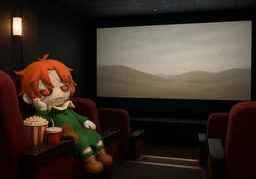
長い会議は退屈でした。naga i kai gi wa tai kutsu de shi ta
The long meeting was boring.
Describes a lack of interest that makes an activity or situation feel slow and unrewarding.
退屈な映画tai kutsu na ei ga
boring movie
退屈な授業tai kutsu na ju gyō
boring class
退屈な話tai kutsu na hanashi
boring story
単調tanchō: Lacking variety, with the same pattern or activity repeated.
無味乾燥mumikansō: Lacking liveliness or interest, especially in writing, speech, or presentation.
冗長jōchō: Longer than necessary, making an activity, speech, or text tedious.
興味を引くものがなく、面白みを感じられないさま。kyō mi o hi ku mo no ga na ku omo shiro mi o kan ji ra re na i sa ma
The Sino-Japanese compound 退屈 (taikutsu) combines 退 (tai, "withdraw") and 屈 (kutsu, "bend"); its older sense of being unable to proceed developed into the sense of having nothing engaging to do.