

Japanese Conversation · Level 49
90 words
Search Japanese words as written, in romaji or by English meaning.
Dictionaries
Quick links
Browse
 MotiSpiOfficial conversation app

Japanese word
Romajitaijō
会場からの退場はご遠慮ください。kai jō ka ra no tai jō wa go en ryo ku da sa i
Please refrain from exiting the venue.
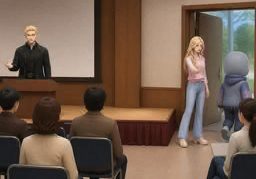
係員の指示に従わない場合は、退場となります。kakari in no shi ji ni shitaga wa na i ba ai wa tai jō to na ri ma su
If you do not follow the staff's instructions, you will be asked to leave.
Describes leaving a place and no longer remaining within it.
退場させるtai jō sa se ru
make someone leave
退場するtai jō su ru
leave
退場を命じるtai jō o mei ji ru
order someone to leave
退出taishutsu: The act of leaving a room, building, or other place, often in a formal setting.
退去taikyo: The act of leaving a place after being told or required to do so.
いる場所や会場から出て、そこを離れること。i ru ba sho ya kai jō ka ra de te so ko o hana re ru ko to
退場 (taijō) combines 退 (tai, "withdraw") and 場 (jō, "place"), giving the sense of withdrawing from a place.